Best Jamaican Food in Denver: Where to Find Authentic Island Flavor
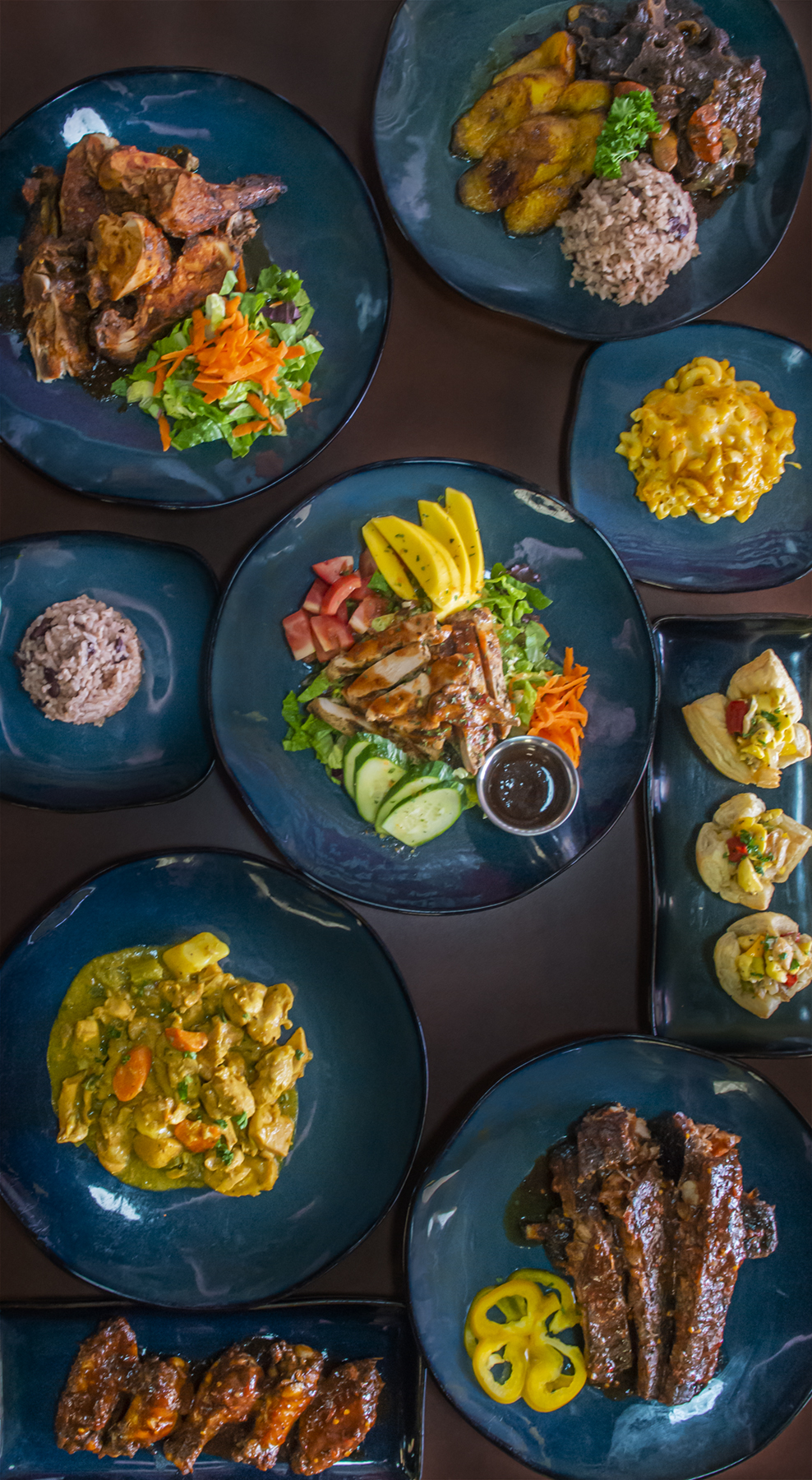
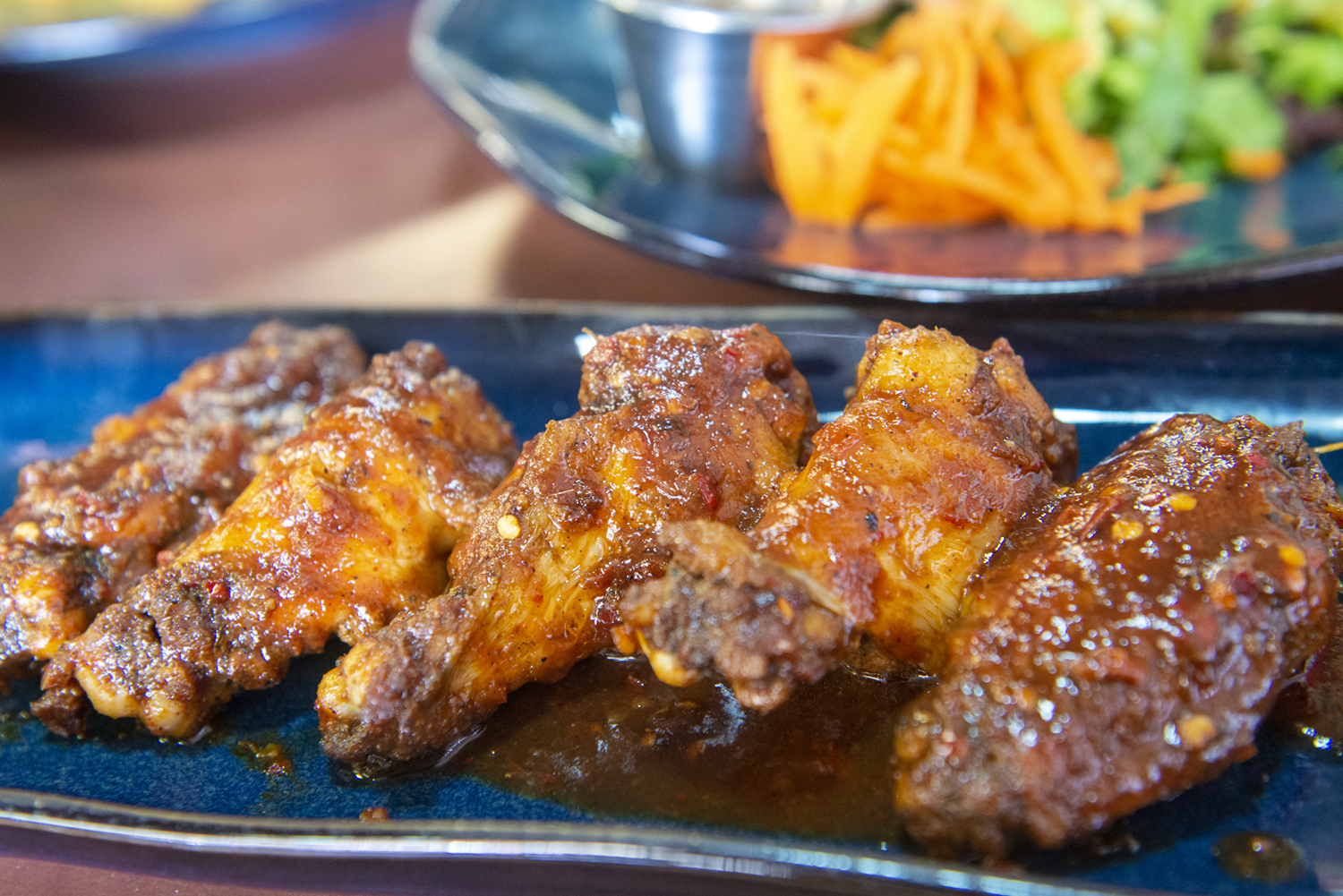
Finding memorable Jamaican food in Denver takes a little patience, but the reward is worth it. The city does not have the same density of Caribbean restaurants you would find in South Florida, Brooklyn, or parts of Toronto, so the good spots tend to earn loyal followings fast. People drive across town for properly seasoned jerk chicken, oxtail that gives way under a fork, curry goat with real depth, and patties that taste like they came out of a neighborhood bakery rather than a freezer.
That scarcity creates an upside. When a kitchen in Denver gets Jamaican food right, you can usually taste the intention immediately. The spice feels layered rather than loud. Rice and peas arrive fragrant and distinct, not mushy. Cabbage has bite. Plantains show that crucial edge between caramelized sweetness and soft ripeness. These are not throwaway side dishes. In the best Caribbean kitchens, every item on the plate matters.
If you are searching for the best jamaican food denver has to offer, it helps to know what authenticity looks like on the plate, where strong Caribbean cooking tends to show up in the metro area, and what separates a serious kitchen from a place that simply borrows the language of island food. Denver has enough good options, from dedicated restaurants to food trucks and occasional market pop-ups, to satisfy a craving if you know how to look.
What authentic Jamaican flavor actually tastes like
A lot of people reduce Jamaican food to heat. That misses the point. Scotch bonnet peppers matter, but they are only part of the story. Jamaican cooking is as much about allspice, thyme, scallion, ginger, garlic, curry blends, browning, pimento smoke, slow braising, and balance as it is about chile.
Real jerk should not taste like generic barbecue sauce with extra cayenne. It should carry smoke, sweetness, herbal notes, pepper heat, and that unmistakable warm, almost floral depth from allspice. The marinade needs time to work. You can usually tell when a kitchen rushes it. The exterior might look right, but the meat tastes flat once you get past the surface.
The same principle applies to braised dishes. Good oxtail is not just tender beef in brown gravy. It should have a rich, glossy sauce with enough spice and aromatics to cut through the fattiness. Curry goat should taste slow-cooked, with the curry fully fused into the meat instead of sitting on top as powdery seasoning. Even a humble beef patty tells you a lot. The shell should be flaky and lightly stained with turmeric or curry, and the filling should be savory and juicy without leaking grease everywhere.
Denver’s altitude and dry climate can be unforgiving to long-cooked and grilled meats, which makes it even more impressive when a local Caribbean kitchen manages to keep jerk chicken moist or braises feeling lush. It is one reason the best Jamaican food in town often comes from cooks who know the cuisine in their hands, not just on paper.
Why Denver’s Jamaican scene feels different from larger Caribbean hubs
Denver’s food culture rewards experimentation, but Jamaican food thrives on repetition, memory, and technique. In cities with larger Caribbean populations, restaurants can survive by focusing narrowly on a few specialties because there is a built-in customer base that already knows what to order. In Denver, a Jamaican restaurant often has to appeal to two groups at once: diners who grew up with the food and people trying it for the first time.
That can shape the menu. You may see a tighter selection than you would at a Kingston takeaway counter, or a broader “Caribbean” menu that includes dishes from several islands. Neither is automatically a problem. In fact, some of the strongest kitchens in Denver adapt smartly without diluting the food. They keep the core right, then make practical adjustments around service style, spice level options, or sides.
This is also why some of the best Jamaican food in Denver does not always sit in the most polished dining room. It may come from a lunch counter inside a market, a truck with a short menu, or a family-run restaurant where one or two dishes clearly lead the pack. If you approach the scene expecting a perfect replica of a Caribbean neighborhood strip, you may miss what Denver does well. The city’s best Jamaican cooking often shows up in concentrated bursts, not sprawling menus.
Where to look when you want the real thing
In Denver and the surrounding metro, strong Jamaican and Caribbean food often appears in three forms: dedicated island restaurants, crossover Caribbean spots with a handful of Jamaican staples, and mobile kitchens that focus on a few dishes done right. Each can be worth your time.
Dedicated restaurants are your best bet when you want the full plate experience, especially for oxtail, curry goat, escovitch fish, jerk chicken, rice and peas, cabbage, and fried plantains in one meal. These places usually show their quality in the sides as much as the mains. If the cabbage is lifeless or the rice tastes like an afterthought, it is a clue that the kitchen may be leaning on familiarity rather than care.
Crossover Caribbean restaurants can be excellent if the cooks have a clear point of view. A broad menu does not disqualify a place. Sometimes it reflects the reality of serving a mixed local market. What matters is whether the Jamaican dishes taste distinct. Jerk should still taste like jerk, not grilled chicken with a spicy glaze.
Food trucks and pop-ups deserve special attention in Denver. The lower overhead lets cooks focus on a short menu and keep quality tighter. I have had some of the best Caribbean plates in western cities from small operations serving just three or four mains and selling out by midafternoon. That is often a good sign, not an inconvenience.
If you are tracking down jamaican food denver locals actually return to, pay attention to where Caribbean communities shop and gather. Small grocers, community events, cultural festivals, and neighborhood recommendations will usually steer you better than a generic “top ten” roundup.
The dishes that reveal whether a kitchen is serious
Not every dish tells the truth equally. Some are forgiving. Others expose shortcuts fast. If I am trying a Jamaican spot for the first time, I usually judge it by a small set of standards.
- Jerk chicken, because seasoning, marination, smoke, and moisture all have to line up
- Oxtail, because the sauce should be rich and reduced, not thin or overly salty
- Curry goat, because proper texture and spice balance take patience
- Rice and peas, because it should be fragrant, separate, and savory on its own
- Beef patty, because pastry quality reveals whether the kitchen respects fundamentals
A place can still be worth visiting if only one or two of these are excellent. Not every restaurant needs to master the entire canon. But if several of these miss the mark, especially the rice and the braises, I usually do not go back.
Jerk chicken in Denver, what to expect
Jerk is often the entry point for people exploring Jamaican food, and it is also the dish most likely to disappoint when handled carelessly. Denver diners should expect some variation. Not every restaurant has room for a traditional jerk pan or the kind of outdoor smoking setup that produces the most vivid flavor. That does not mean the dish cannot be good. It means you should calibrate your expectations around texture and aroma.
The strongest versions in Denver tend to lean on deeply marinated dark meat with visible char and a spice profile that keeps moving as you eat. First comes the smoke and allspice, then the thyme, scallion, and ginger, then a measured bloom of chile heat. If the chicken tastes hot but one-dimensional, it probably lacks the marinade time and complexity that define the dish.
Watch the sides here. Good jerk chicken often comes with rice and peas that mellow the heat, sweet plantains for contrast, and a bright cabbage slaw or steamed vegetables to cut through the richness. That balance is not decorative. It is part of the meal’s architecture.
Oxtail and curry goat, the slow-cooked heart of the menu
If jerk gets the headlines, braised dishes build loyalty. Oxtail and curry goat are where many Jamaican kitchens either prove themselves or get exposed.
Great oxtail should be sticky, almost lacquered, with meat that slips from the bone but still has a little structure. You want complexity in the gravy, not just dark color. The best versions https://maps.app.goo.gl/37JZ7dpqaHRz7t9A9 have spice, sweetness, and savoriness in proportion, with enough body to coat the rice without turning the whole plate heavy. In Denver, where ingredient costs can push restaurants to trim portions or simplify preparation, a truly good oxtail plate stands out immediately.
Curry goat is even less forgiving. Goat can become dry, tough, or muddy if the seasoning and cook time are not right. A well-made curry goat should taste earthy and warm, with a sauce that penetrates the meat rather than merely surrounding it. It should be assertive but not harsh. Denver kitchens that nail this dish usually have someone in the back who understands that curry is a method as much as an ingredient.
When these braises are available only on certain days, take that as a practical sign rather than a flaw. Slow-cooked dishes are labor-heavy, and many smaller operators rotate them to manage waste and keep quality up.
Do not overlook patties, sides, and drinks
One of the easiest mistakes diners make is treating patties and sides like accessories. They are often the most revealing part of the menu. A pattie should be crisp and flaky with a filling that is properly seasoned and moist. If the shell shatters into dry crumbs or the interior tastes bland, the kitchen may be coasting.
Sides matter just as much. Rice and peas should smell like coconut, thyme, and scallion rather than plain steamed rice. Cabbage should still have life to it. Plantains should be soft and sweet with browned edges, not pale and steamed into submission. Macaroni and cheese, when offered, often shows the influence of wider Caribbean and Black diasporic comfort traditions, and the better versions are baked, rich, and unapologetically substantial.
Drinks can also tell you whether a place is serving from habit or from memory. Sorrel, ginger beer, and Jamaican sodas contribute to the experience in a way bottled cola never will. A house-made ginger drink with real bite says a lot about the kitchen’s standards.
How to spot a promising Jamaican restaurant before you order
You can learn a surprising amount in the first two minutes. Look at the menu language. Is it confident and specific, or does it read like a tourist brochure? See whether the braised dishes are core offerings or afterthoughts. Notice whether sides are named with care. Ask what is made in-house. A knowledgeable answer usually comes quickly.
There are also practical clues. Steam trays are not a red flag if turnover is high. In fact, for some lunch service models, they are ideal for braises and rice dishes. What matters is freshness, temperature, and how long food has been sitting. A restaurant that runs out of oxtail or patties by the end of the day may be managing inventory honestly. That is often preferable to a place with everything available all the time but nothing tasting alive.
If you are new to the cuisine, a simple ordering strategy helps.
- Start with one grilled item and one braised item if you are sharing
- Always get rice and peas, not plain rice, on your first visit
- Add plantains and cabbage so the plate has contrast
- Ask about heat level rather than assuming jerk will be overpowering
- If patties are available and baked that day, take one for later
This approach gives you a cleaner read on the kitchen than ordering only a sandwich, only wings, or only the safest item on the menu.
The role of markets, festivals, and pop-ups
Some of the most satisfying Jamaican food in Denver appears outside the conventional restaurant setting. Summer festivals, neighborhood markets, and weekend pop-ups often bring out cooks who do not operate a full-time storefront. That matters because Jamaican food travels well when handled correctly, especially patties, jerk plates, and braised meats over rice.
These events are also where you may find the most direct expression of home-style cooking. A vendor with a short line item menu, handwritten specials, and one auntie managing the steam trays can outperform a far more visible restaurant. The trade-off is consistency of access. You may eat something fantastic and then have to wait a month to find that vendor again.
For people who care about authentic island flavor, that hunt is part of the pleasure. Denver’s Caribbean scene rewards attention. Follow local event calendars, ask store owners where they eat, and keep an eye on social feeds for smaller operators who announce weekend service. The best meal may not come from the place with the largest dining room.
Price, portions, and what is worth paying for
Jamaican food can look expensive in Denver, especially for oxtail and goat. That is partly unavoidable. Both ingredients carry high food costs, and the labor involved is substantial. If a plate of oxtail seems pricier than jerk chicken, that is normal. The question is whether the portion, flavor, and execution justify it.
A generous oxtail plate with properly cooked rice, vegetables, and sauce is usually worth the premium. The same goes for curry goat when the meat is tender and abundant enough to feel like a main rather than a tease. On the other hand, a dry jerk plate at a high price point rarely redeems itself, no matter how good the branding looks.
Denver diners should also know that many Caribbean spots serve portions built for appetite rather than aesthetics. This is food with backbone. A well-packed takeout box can become dinner and lunch the next day, especially if you add patties or sides. That value often gets lost when people compare menu prices without looking at portion weight and richness.
The Denver neighborhoods and suburbs worth watching
Because Denver’s Jamaican food footprint is relatively spread out, you may need to think beyond the urban core. Aurora often rewards diners willing to drive, simply because immigrant food businesses of all kinds find room to grow there. Parts of East Colfax and nearby commercial corridors are also worth attention for small, independent operations. In the suburbs, especially in mixed retail plazas, some of the most interesting Caribbean kitchens operate with little fanfare.
This matters for anyone searching online for jamaican food denver and expecting a tight cluster of options downtown. That is not really how the scene functions. The better strategy is to widen the radius and judge each place on the fundamentals: depth of seasoning, quality of sides, texture of braises, and signs of a kitchen cooking from tradition rather than trend.
What authenticity does and does not mean
Authenticity is a useful word until it becomes rigid. Not every excellent Jamaican meal in Denver needs to mimic a roadside jerk stand in Portland Parish or a cafeteria in Kingston. Ingredients differ. Equipment differs. Diners differ. A cook can make thoughtful adjustments for the local market and still produce deeply authentic food.
What should not change are the essentials: proper seasoning, respect for the cuisine’s methods, and the confidence to let dishes taste like themselves. Jerk should still be jerk. Curry goat should still taste of long cooking and layered spice. Rice and peas should never be an afterthought. If those things are in place, a Denver kitchen can absolutely deliver authentic island flavor, even at altitude and far from the Caribbean.
That is the standard I would use for any recommendation. Not perfection by stereotype, but food that feels rooted, balanced, and unmistakably Jamaican.
When you find a good spot, order like a regular
The best Jamaican restaurants tend to reveal more of themselves on the second or third visit. On day one, most people order jerk chicken. On day two, they try the oxtail. By day three, they are asking whether there is soup on Saturdays, whether the patties just came out, or whether escovitch fish is available this week. That is when you start tasting the range of a kitchen.
So if you find a place in Denver that gives you a plate with properly seasoned meat, aromatic rice and peas, sweet plantains, and vegetables that still have character, stick with it. Go back. Try the braises. Ask what sells out first. Pay attention to who else is ordering. The strongest Caribbean restaurants build community through repetition, and Denver’s best Jamaican food spots are no different.
Island flavor in this city is real, but it does not always announce itself loudly. Sometimes it is tucked into a modest strip mall, a market stall, or a truck parked for lunch service. Sometimes it is a weekend-only special from a kitchen that understands exactly what homesick diners are looking for. When you find that plate, the one where the jerk is smoky, the gravy clings to the rice, and the plantains taste like they were cooked by someone who has made them a thousand times, you will know you found the good stuff.
Reggae Pot Jamaican Grill
Address: 2243 S Monaco St Pkwy #104, Denver, CO 80222
Phone number: +17204102956
FAQ About Jamaican Food Denver
What is typical Jamaican food?
Typical Jamaican food features bold, vibrant flavors created by blending African, Taino, European, and Asian influences.
What is a famous Jamaican dish?
Ackee and saltfish is Jamaica's national dish, made by sautéing the soft local ackee fruit with salted cod, onions, tomatoes, and spicy Scotch bonnet peppers.
What food is most popular in Jamaica?
The most popular and famous food in Jamaica is Jerk Chicken, celebrated worldwide for its smoky, spicy flavor.