Drunken Noodles Near Me: What Makes a Great Plate Stand Out
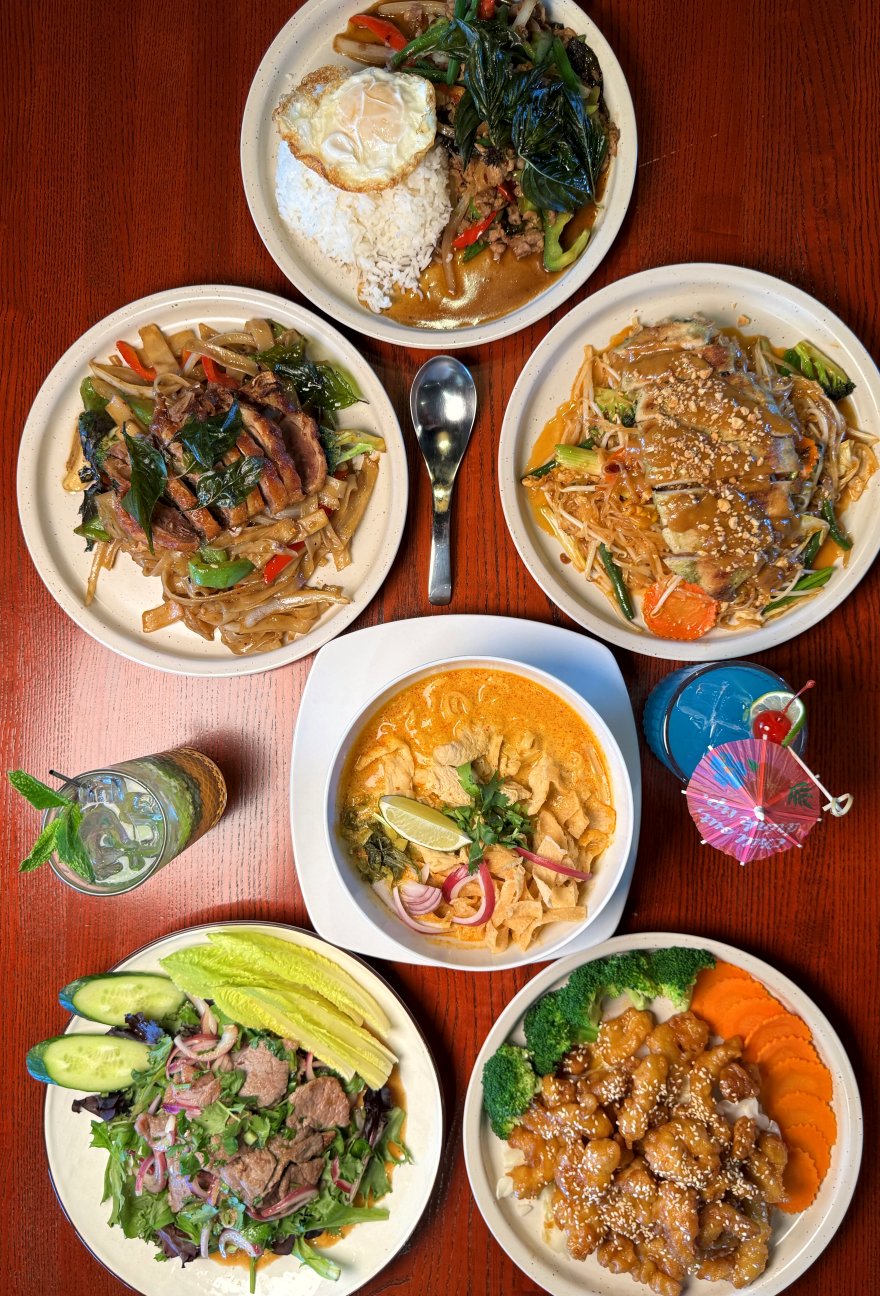
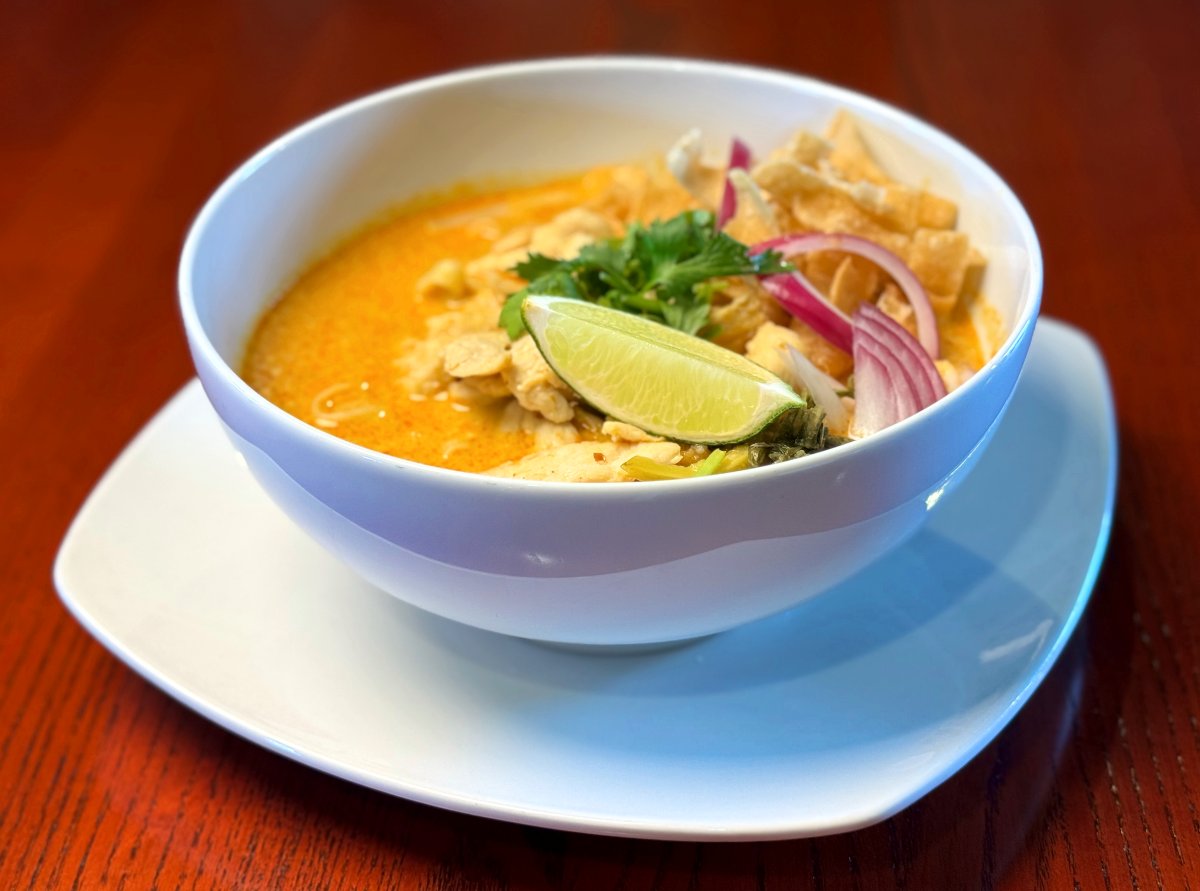
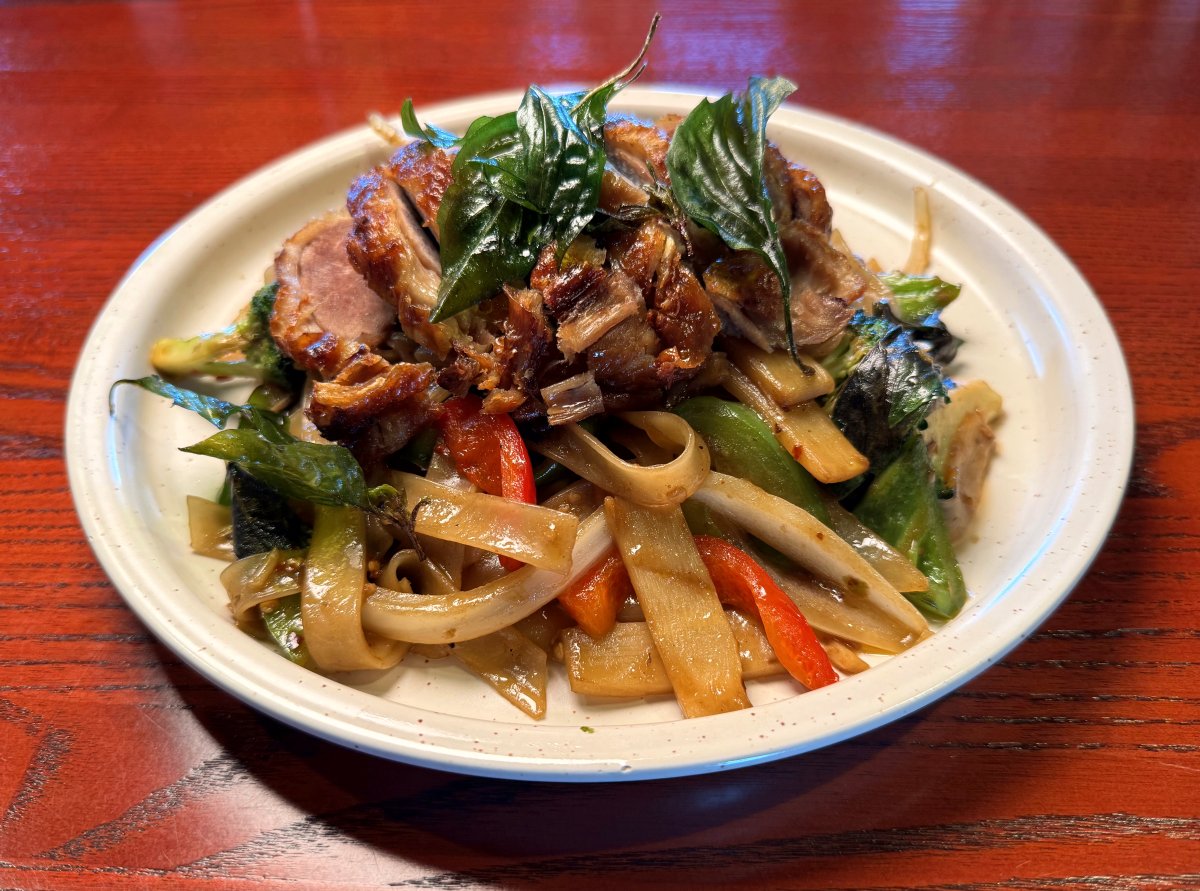
Type “Drunken Noodles Near Me” into a search bar and you will usually get plenty of options. What you will not get is a reliable answer to the real question, which is where to find a plate worth ordering again. Drunken noodle, or pad kee mao, looks simple on paper. Wide rice noodles, protein, vegetables, basil, chili, a dark savory sauce. Yet the gap between a decent version and a memorable one is wider than many diners expect.
A great plate lands with intensity and balance. It smells like wok heat before the fork even hits the noodles. The basil is still bright. The sauce clings rather than pools. The noodles have chew and edge, not just softness. The spice wakes up the dish instead of flattening every other flavor. Those details sound small, but they determine whether the meal tastes alive or merely heavy.
After years of eating Thai food in neighborhood restaurants, family-run spots, polished urban dining rooms, and late-night takeout counters, I have learned that drunken noodle is one of the clearest tests of a kitchen. It reveals discipline, timing, ingredient quality, and restraint. It is also one of the easiest dishes to get almost right, which is why so many versions feel forgettable. If you want to know what separates an average plate from one you remember days later, the answer starts in the pan but does not end there.
The dish tells you a lot about the kitchen
Drunken noodle has a reputation as a casual comfort dish, which can make diners judge it less carefully than they should. That is a mistake. It is a fast-cooking stir-fry, and fast cooking leaves nowhere to hide. When a kitchen is rushed, under-seasoning shows. When the wok is not hot enough, the noodles steam instead of sear. When prep is sloppy, the vegetables lose their snap and the basil turns dark and limp.
This is why a great drunken noodle often comes from places that respect the details of high-volume cooking. It does not need to be a fancy restaurant. Some of the best plates come from compact storefronts with six tables and a busy pickup shelf. What matters is whether the cooks understand that pad kee mao depends on sequence and heat. Garlic and chili need enough contact with oil to bloom. Protein has to cook through without drying out. Noodles should loosen and caramelize in spots. Sauce must coat quickly before the basil wilts. Every extra thirty seconds can push the dish from vibrant to tired.
That urgency also explains why dine-in and takeout versions can differ. If you have ever had an excellent plate in the restaurant and a weaker one at home, the problem may not be the recipe. It may be steam. Rice noodles trap moisture fast once the container is sealed. Basil loses freshness quickly. The same dish that tastes balanced at the table can feel softer, sweeter, and heavier twenty minutes later in a takeout box.
Wok hei is not optional
People often talk about sauce and spice first, but wok hei deserves equal attention. The phrase refers to the flavor and aroma that come from high-heat stir-frying. In practical terms, it gives drunken noodle its edge. You taste slight char, toasted sweetness, and a kind of savory depth that cannot be recreated with a gentle sauté.
Without that heat, the dish can still be edible, but it loses its identity. The noodles sit in sauce rather than becoming part of it. The vegetables taste separately cooked. The whole plate reads like assembled components instead of a unified stir-fry. Good kitchens achieve this with a hot wok, quick movement, and confidence. You can often see it in the noodles themselves. They will have darkened, lightly blistered sections and irregular edges where sauce has reduced onto the surface.
Wok hei matters because drunken noodle is a broad, bold dish. It uses wider noodles than many other Thai stir-fries, and those noodles need contrast. Heat provides that contrast. It cuts through sweetness, deepens the savory notes, and keeps the overall dish from becoming one-dimensional. When someone says a plate tasted “restaurant good,” they are often describing this quality even if they do not name it.
Noodles should be supple, not limp
Rice noodles are a tricky ingredient. Fresh wide rice noodles can be spectacular when handled well, but they are fragile. Dry noodles can work too, though they usually produce a slightly different texture. Either way, the target is clear. The noodle should bend easily, hold sauce, and still offer resistance when chewed. It should never break apart into mush or clump into a sticky block.
Restaurants that make strong drunken noodle tend to understand hydration and timing. Fresh noodles often need to be separated gently before they hit the wok. Dried noodles must be soaked or boiled to the right point, then finished in the pan. Too firm, and they resist the sauce and tear. Too soft, and they disintegrate once stir-fried. There is a narrow window, and experienced cooks hit it more often than rushed ones.
One sign of quality is how the noodles behave halfway through the meal. Weak versions start fine but collapse as they cool. Great ones keep their structure. Even at room temperature, they still feel intentional, not gummy. That may sound like a picky standard, but it is useful when comparing restaurants. If a plate degrades fast, the kitchen may be compensating with excess sauce or oil.
Sauce should coat, not drown
A mediocre drunken noodle often mistakes boldness for quantity. More soy, more sweetness, more oil, more chili. The result can be a glossy, dark puddle that tastes powerful for two bites and exhausting by bite six. Great sauce does something harder. It creates intensity without heaviness.
Most strong versions lean on a mix of salty, sweet, savory, and peppery notes. The exact ratio varies by house style, and that variation is part of the dish’s charm. Some kitchens push the funky depth a little more. Others lean cleaner and brighter. But no good version should taste like one ingredient is running the table. If all you notice is sugar, the sauce is out of balance. If all you notice is sodium, the same problem applies. If the heat wipes out the basil and garlic, that is another miss.
What you want is adhesion. The sauce should glaze the noodles rather than pool at the bottom of the plate. It should lightly stain the vegetables, cling to the protein, and leave enough intensity behind that each bite feels seasoned. That sounds obvious, yet it is where many plates fail. Excess liquid is often a sign that the wok was crowded or the sauce was added without enough heat to reduce properly.
This is also one reason drunken noodle can disappoint more easily than pad see ew. Pad see ew often tolerates a softer, sweeter profile. Drunken noodle needs more control. It is meant to feel rowdier, but that does not mean messy.
Thai basil changes everything
If I had to pick one ingredient that most clearly separates a convincing drunken noodle from a generic noodle stir-fry, it would be Thai basil. Regular basil is not the same. The anise-like lift of Thai basil cuts through the dark sauce and ties the whole plate together. When it is fresh, you smell it right away. When it is tired, the dish loses its signature.
Too little basil and the dish feels blunt. Too much, added too early, and it can turn the entire wokful damp and grassy. The best kitchens fold it in late so the leaves wilt just enough while keeping their perfume. That timing matters. You should taste basil as a living note, not as an afterthought or a cooked herb paste.
This ingredient also reveals how seriously a restaurant treats produce. If the vegetables are old and the basil is bruised, the rest of the dish usually follows that same pattern. Good drunken noodle should include vegetables that still have shape and snap, often Chinese broccoli, bell pepper, onion, baby corn, or similar additions depending on the house. They are not filler. They provide contrast to the slippery noodles and rich sauce. When everything on the plate is equally soft, the dish loses tension.
Heat should be assertive, not punishing
A lot of diners order drunken noodle expecting a spice challenge. That is reasonable. The dish usually does carry more heat than many other familiar Thai noodle plates. But spice alone does not make it great. In fact, aggressive heat can hide weak technique. If your mouth goes numb immediately, you may never notice that the noodles are overcooked or the sauce is cloying.
The best versions use chili as structure. It sharpens the garlic, brightens the basil, and keeps the sauce from feeling too sweet. It should build as you eat rather than attack the first bite and disappear. This is why “medium” at one restaurant can be more enjoyable than “hot” at another. A well-judged medium often lets the full dish show itself.
When searching for “Drunken Noodles Near Me,” pay attention to reviews that mention flavor before they mention pain. If every comment is about how spicy the dish is, but nobody praises the noodles, basil, or wok char, that can be a clue. Restaurants that truly excel usually get described in more dimensional language. People mention aroma, chew, freshness, balance, and the urge to order it again.
Protein choice matters more than people think
Chicken, beef, pork, shrimp, tofu, or a mixed seafood version can all work. The issue is less about which protein you choose and more about whether the kitchen treats it as part of the stir-fry rather than a separate topping. Dry chicken strips laid over noodles after the fact rarely integrate well. Shrimp cooked a minute too long becomes rubbery and distracts from the plate. Tofu can either absorb flavor beautifully or sit there bland and brittle.
In my experience, beef and chicken are often the easiest benchmark because they are common and reveal technique quickly. Beef should stay tender despite the heat. Chicken should take on sauce without tasting boiled. Pork can be excellent when slightly fatty, because it contributes richness that suits the basil and chili. Shrimp is high risk, high reward. Done right, it gives sweetness and snap. Done poorly, it is the only thing you remember, and not in a good way.
Vegetarian drunken noodle deserves more respect than it usually gets. A strong tofu version can be exceptional if the sauce is adjusted carefully. Some kitchens forget that removing meat changes the savory backbone. The best ones compensate with mushrooms, extra basil, or a more nuanced sauce so the dish still feels complete rather than watered down.
What to look for when ordering from a new place
Finding a standout drunken noodle in a new neighborhood is part pattern recognition, part trial and error. Star ratings help, but they do not tell the whole story. A 4.7 can come from excellent curries and weak noodles. A humble local place with fewer glossy photos can turn out the better stir-fry because the wok station is stronger.
Here are a few signs that a restaurant may do the dish well:
- Reviews mention fresh basil, wok char, or chewy noodles rather than only portion size.
- Menu photos show wide noodles with visible vegetables, not a dark, soupy mass.
- The restaurant offers adjustable spice levels and seems comfortable with customization.
- The menu includes multiple stir-fried noodle dishes, which often suggests a practiced wok station.
- Diners specifically recommend the drunken noodle by name, not just the restaurant in general.
These clues are not guarantees, but they help narrow the field. I also pay attention to whether the restaurant has a coherent Thai menu rather than a broad, catch-all Asian menu where noodle dishes feel like secondary items. Focus often translates into better execution.
Dine-in versus delivery, the difference is real
Drunken noodle is one of those dishes that can travel reasonably well, but only within limits. The clock starts the second it leaves the wok. If you are dining in, you get the dish at peak texture. The noodles are glossy and separate, the basil is fragrant, and any char remains vivid. With delivery, steam starts changing the structure almost immediately.
That does not mean you should never order it to-go. It means you should be strategic. A restaurant ten minutes away has a much better chance of delivering a good plate than one forty minutes away. If you know a place tends to sauce heavily, delivery will exaggerate that quality. If the restaurant packs noodles and extra condiments thoughtfully, that can help. Some spots are smart enough to undercook the vegetables slightly for takeout, which preserves texture by the time you eat.
If you are trying a place for the first time and really care about judging the dish fairly, eat it in-house. The difference can be enough to change your entire opinion. I have had plates that felt merely decent in a takeout container become excellent when served straight from the wok at a table.
Regional style, house style, and the reality of variation
Not every drunken noodle should taste identical. House style matters. Some restaurants build a sweeter profile. Some emphasize holy basil or Thai basil more aggressively. Some lean into garlic and white pepper. Others add a little more vegetable bulk, which can make the dish feel lighter. Variation is not a flaw if the plate still feels intentional and balanced.
What should not vary is competence. Noodles should not be broken into starchy clumps. The basil should not be missing. The dish should not be oily enough to leave a slick at the bottom of the container. Spice level can shift. Vegetable mix can shift. Protein can shift. https://charliepvuy229.huicopper.com/drunken-noodle-near-me-the-ultimate-guide-to-thai-noodle-cravings Execution cannot.
This is why comparing one drunken noodle to another can be more useful than debating authenticity in the abstract. Authenticity matters, but in casual dining it is often used too bluntly. A plate can reflect local adjustments and still be deeply satisfying. It can also be traditional in concept yet poorly cooked. The strongest standard is whether the dish delivers the sensory cues it promises: heat, fragrance, chew, char, and balance.
The common failures are easy to spot once you know them
After you have eaten enough versions, certain mistakes become obvious. The most common is excess sweetness. It makes the first forkful appealing and the rest monotonous. Another is overcrowding the wok, which leaves everything wet and under-seared. A third is timid basil use. Without that aromatic edge, drunken noodle loses personality.
There is also the problem of visual appeal disguising structural weakness. A plate can look dark and glossy in a photo and still taste flat. Social media tends to reward shine and portion size, not texture or aroma. Some of the best versions I have had looked almost modest when served. What set them apart was the first bite, the moment when the chili hit, the basil opened up, and the noodles carried just enough char to make the whole dish feel awake.
If you want a quick mental test for a plate in front of you, ask whether every element tastes more like itself because of the others. Does the basil smell brighter because of the heat? Does the noodle taste deeper because of the sauce? Do the vegetables feel fresher because of the richness around them? When the answer is yes, you are probably eating a good one.
A smart way to compare nearby options
If you are serious about finding your go-to spot, order with consistency. Choose the same protein and the same spice level from two or three places over a couple of weeks. Eat one version dine-in if possible. Keep the comparison simple. You are looking for texture, aroma, sauce balance, and aftertaste. Great drunken noodle leaves you energized and satisfied. Weak drunken noodle leaves you thirsty and slightly weighed down.
One practical note that many diners overlook is lunch versus dinner. A busy lunch service can produce better stir-fries because ingredients turn over faster and the wok station stays hot. On the other hand, some restaurants reserve their strongest cooks for dinner. If your first plate feels off, timing may have played a role. It is worth giving a promising place a second shot before ruling it out, especially if the fundamentals seemed close.
You can also learn from how a restaurant handles substitutions. A kitchen that can accommodate less sugar, extra basil, or a vegetable swap without making the dish collapse usually understands its own balance. A restaurant that reacts as if one small change will ruin everything may be working from a less flexible, more pre-mixed approach.
Why the best plates keep pulling people back
Drunken noodle sits in a sweet spot between comfort food and crave food. It has the softness and satisfaction people want from noodles, but it also has enough heat, herbaceousness, and char to stay exciting. That combination is rare. Plenty of dishes are comforting. Plenty are bold. Fewer manage both at once.
That is why one memorable plate can turn into a standing order. You start by searching “Drunken Noodles Near Me” because you are hungry. You return to the same restaurant because the dish gave you something specific that others did not. Maybe it was the peppery basil aroma rising off the box in your car. Maybe it was the way the noodles stayed springy to the last bite. Maybe it was that uncommon balance where the spice made you slow down without ever overwhelming the flavor.
A great Drunken Noodle does not need gimmicks. It does not need towering portions, novelty toppings, or extreme heat challenges. It needs a hot wok, confident seasoning, fresh herbs, and someone in the kitchen who knows when to stop cooking. That last part may be the hardest skill of all. Good stir-fry is often about restraint disguised as speed.
When you find a restaurant that gets those details right, you know it almost immediately. The plate smells vivid, tastes layered, and stays coherent from the first bite to the last. That is what makes it stand out, and that is what turns a generic local search into an address you remember.
Nakhon Luang Thai Kitchen
Address: 805 Village Center Dr, Colorado Springs, CO 80919
Phone number: +17195315175
FAQ About Drunken Noodles Near Me
What makes it drunken noodles?
Drunken noodles, or Pad Kee Mao, get their name from the Thai word khi mao (meaning "drunkard"). They contain no alcohol. The name comes from the idea that the dish is a popular late-night meal to cure a hangover or a great food to eat with a cold beer.
What is the difference between pad see ew and drunken noodles?
While both Pad See Ew and Drunken Noodles use the same wide rice noodles, Pad See Ew is a mild, sweet-savory dish made with dark soy sauce and Chinese broccoli, whereas Drunken Noodles (Pad Kee Mao) are fiery, garlicky, and herbaceous with fresh chilies and Thai basil.
What are traditional drunken noodles?
Traditional drunken noodles, known as Pad Kee Mao in Thai, are a fiery, savory street food stir-fry made with wide flat rice noodles, fresh garlic, lots of hot chilies, meat or tofu, and fragrant holy basil. Despite the name, they contain no alcohol; the dish is traditionally eaten late at night or as a hangover cure because the intense spice helps clear the head.