Irish Pub NYC Secrets for an Unforgettable Weekend

New York has no shortage of bars pretending to offer atmosphere. A dark wood counter, a Guinness sign, a playlist with The Pogues, and suddenly every place wants to be your neighborhood local. A true Irish pub in NYC is something else. You feel it before you can define it. The room has a hum instead of a roar. The bartender clocks who needs another round without making a production of it. The crowd runs wider than the usual downtown bar mix, office regulars, off-duty hospitality people, tourists who got lucky, old friends talking in low voices near the back, and somebody posted up with a shepherd’s pie who clearly knows this place well.
If you want an unforgettable weekend built around the city’s Irish pub culture, the trick is not simply choosing a “good” bar. It is knowing when to go, what type of room you want, how neighborhoods change the experience, and which habits separate a great night from an expensive, crowded blur. That is where most people miss it. They chase the loudest, most obvious spots and end up waiting twenty minutes for a drink in a place that looks better on social media than it feels in person.
A proper weekend through the best Irish pub NYC scenes requires timing, judgment, and a little humility. Some of the best places are not trying to impress you at first glance. They earn their reputation in the details.
What makes an Irish pub in New York worth your time
The first secret is that authenticity in New York rarely means purity. Some of the city’s strongest Irish pubs lean heavily traditional, with imported taps, snug corners, and bartenders who know the difference between a proper pour and a rushed one. Others are more hybrid, part neighborhood bar, part restaurant, part late-night refuge. Both can be excellent.
What matters is whether the place understands pub culture as hospitality rather than theme. You should be able to step in alone and not feel stranded. You should be able to bring a small group and still hear each other. The music, if there is music, should support the room rather than overpower it. Food should feel intentional. Even a simple burger or fish and chips tells you a lot about standards. If the kitchen cuts corners, the bar often does too.
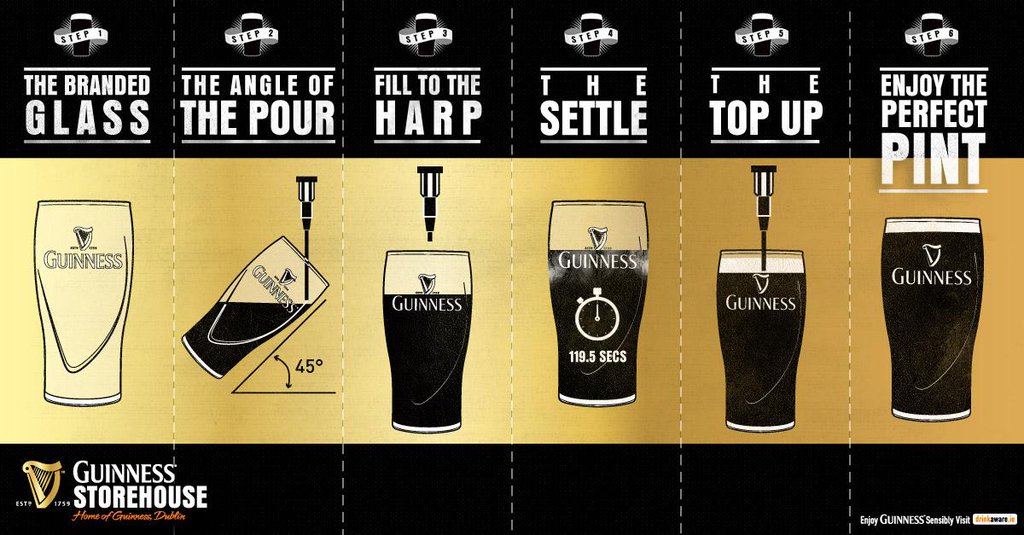
The Guinness test is real, though not in the snobbish way people sometimes make it. A well-kept stout tells you the staff cares about draft lines, glassware, and patience. It is not the only thing to order, but it is a useful signal. I have had memorable nights in pubs where the best drink was whiskey, cider, or a very ordinary lager. Still, when a bar handles Guinness badly, it often reflects a larger indifference.
Another marker is how the room behaves at different hours. A place that feels warm and balanced at 5:30 p.m. Can become punishing by 10:30. The strongest pubs hold their shape as the night changes. They may get louder, fuller, and livelier, but they do not lose control of the experience.
Friday starts earlier than you think
A lot of weekend plans go wrong because people treat Friday as if it begins at nine. In the Irish pub NYC circuit, Friday’s sweet spot often lands much earlier. If you arrive between 5:00 and 7:00 p.m., especially in Midtown, the Financial District, or near transit-heavy areas, you catch the best overlap of regulars and energy. The after-work crowd gives the room momentum, but you can still claim a decent corner, start a tab without elbow combat, and actually talk.
That window matters because many Irish pubs in Manhattan are at their best when they are busy, not slammed. You want enough people for warmth, not so many that every order becomes tactical. There is a real difference between convivial and chaotic, and it usually shows up around the second hour of the night.
If your group wants dinner, this is also when pub kitchens are most likely to deliver well. Fried food sits better when it reaches the table fresh, not after a backlog. The same goes for staples like bangers and mash, curry chips, or a steak sandwich. In New York, where bar food quality can swing wildly depending on volume, timing is often more important than menu ambition.
One small habit pays off here. Do not make your first stop the place you plan to stay in all night unless you already know it suits the full arc of your evening. Start somewhere comfortable and well-run, have one or two rounds, take the room’s measure, and then decide whether to settle in or move. That choice feels obvious after years in the city, but visitors often commit too early to a place that was pleasant at six and unbearable by nine-thirty.
The neighborhood changes the pub
People talk about “an Irish pub in NYC” as if it were a single category, but the borough and block shape the whole experience. A pub near Penn Station serves a different purpose than one tucked into the East Village or downtown Brooklyn. Neither is automatically better. They simply reward different moods.
Midtown has more genuine options than skeptics admit. Yes, there are plenty of tourist-forward spots, but there are also reliable pubs built for regular use, quick pints, long lunches, pre-theater rounds, and late escapes from offices and hotels. The best of them understand pace. Service tends to be brisk, the crowd rotates, and standing-room energy arrives fast. If your weekend includes a show, a game, or people coming in by train, Midtown can be more practical than trendier neighborhoods.
Downtown Manhattan pubs, especially in the Village or lower east side-adjacent areas, often draw a younger and more eclectic crowd. Some feel deeply local. Others tilt toward date-night charm or music-driven nightlife. Here, your trade-off is usually atmosphere versus ease. The room may be more memorable, but so is the wait.
Brooklyn adds another layer. The borough’s stronger Irish pubs often feel less performative, more neighborhood-anchored, and better for a full evening. You might lose the accidental energy of Manhattan foot traffic, but you gain a little breathing room. For a slower Saturday afternoon, that can be the winning move.
Queens deserves more credit than it gets. In several pockets, especially areas with long-established Irish communities, the pub culture can feel more lived-in and less filtered for outsiders. If your idea of a great weekend includes conversation, horse-racing on one television, football on another, and bartenders who are not trying to turn every seat three times an hour, Queens often delivers.
Saturday afternoon is the hidden jackpot
The biggest secret in this whole category is that Saturday afternoon regularly beats Saturday night.
By one or two o’clock, many of the best pubs have settled into an ideal rhythm. The lunch crowd is tapering into the day-drinking crowd. Sports are on. Someone has ordered oysters or chowder if the kitchen does seafood well, someone else is halfway through a plate of wings, and the room feels generous. You can linger without getting side-eyed. You can sample the menu when the kitchen is still organized. You can actually notice the pub itself, the woodwork, mirrors, old photographs, worn brass, and the specific way light hits the bottles behind the bar.
Late Saturday can still be excellent, especially if live music is part of the draw, but it is also when many pubs stop being pubs and start behaving like crowded bars with Irish branding. The difference is not subtle. The soundtrack gets louder. Service grows more transactional. The crowd composition shifts toward whoever is doing a nightlife crawl rather than people who care about the room. That is not always bad. If your goal is a raucous night with high energy, that might be exactly right. But if you want the version you will remember fondly on Monday, afternoon has the advantage.
A practical way to use this is to build your Saturday in layers. Start with a pub lunch or early pint, walk the neighborhood, then return for another round before deciding whether to stay through evening or pivot elsewhere. New York rewards plans with room to breathe.
How to order like someone who belongs there
There is a subtle etiquette to a busy pub, and getting it right improves the whole experience. Bartenders notice more than people think. They are reading the room constantly, who is ready to order, who is still deciding, who is waving money around, who is likely to close cleanly. You do not need insider status to get treated well. You just need to be legible.
When it is your turn, know what you want. If you are ordering for a group, have the whole round ready. If somebody in your party is undecided, let them wait for the next pass rather than stalling the line. This matters especially in New York, where speed is a courtesy to both staff and everyone behind you.
If you want Guinness, understand that it takes a moment. A good bartender will pour it properly. Do not order it, then immediately ask why it is not done. On the other hand, if the bar is four deep and you want a quick first drink, maybe start with something that moves faster and switch later. That is the kind of trade-off regulars make instinctively.
Whiskey is another place where a little specificity helps. “Irish whiskey” is not a complete order in many pubs. If you mean Jameson, Redbreast, Powers, Teeling, or something else, say it. If you are unsure, ask for a recommendation and give a rough style or budget. Most good bartenders enjoy that kind of question far more than vague grandstanding.
Here is a short guide that saves time and awkwardness:
- Order the full round at once, including water if you want it.
- Start a tab early if you expect to stay, especially on a packed Friday.
- Tip with consistency, not theater. Staff remembers steady respect.
- Ask about the kitchen before assuming it stays open late.
- If you want a seat, claim it gently and keep your footprint small.
Those five habits sound basic because they are. Yet they have a visible effect on how smoothly your weekend goes.
Food is not a side note
Too many people treat pub food as ballast, something to soak up drinks before the next stop. In the better Irish pubs of New York, food is part of the identity. Not every kitchen aims for the same level. Some excel at comfort classics. Some do seafood unusually well. A few make serious brunches that turn a pub visit into the anchor of your Sunday. The point is not that every item should be elevated. It is that the menu should feel cared for.
Shepherd’s pie remains one of the cleanest tests because there is nowhere to hide. If the filling is watery, the mash bland, or the portion oddly stingy for Manhattan pricing, expectations should drop. Fish and chips tells you about fryer discipline. Brown bread, if offered, says something about whether the kitchen values small details. Even soup can be revealing. A solid seafood chowder or vegetable soup on a damp New York afternoon does more for a pub’s credibility than a page of overloaded appetizers.
There is also strategy in eating early. If you know you are making a night of it, do not wait until the room is at its most packed to place a serious order. Kitchens can handle volume, but every pub has a threshold where food becomes slower and less precise. I have seen excellent bars put out limp fries and overcooked fish simply because the whole neighborhood arrived at once after a nearby event. That is not necessarily a sign of a bad place, only a reminder that timing and quality are linked.
Sunday is often when the kitchen shines. Crowds soften, families appear, and the room exhales a bit. If your weekend allows one meal to define the whole pub experience, Sunday lunch or early dinner is a strong candidate.
Music nights, sports crowds, and when to avoid both
Live music can transform an Irish pub. It can also flatten it. The best sessions feel integrated with the room. You can enjoy the tunes, tap along, lean into the atmosphere, and still hold a conversation without shouting directly into someone’s ear. The weaker version is volume for volume’s sake, often paired with a crowd more interested in noise than song.
If a pub advertises music, it is worth learning whether that means a traditional session, a singer with a guitar in the corner, or a full-on party setup. These are different nights with different expectations. A traditional session tends to attract people who are there for the music itself. A cover-heavy late set may draw the broadest drinking crowd. Neither is inherently superior, but they serve different weekends.
Sports are the same. During major matches, Six Nations, Premier League, big GAA fixtures, or high-profile boxing, certain pubs become destination rooms. The atmosphere can be electric. It can also mean standing shoulder to shoulder for hours with limited chance of a proper meal or easy service. If the match is the event, commit to that fully and show up early. If the match is only a backdrop, choose a pub that cares about sports without being consumed by them.
A smart weekend plan accounts for these swings rather than getting surprised by them. Some of the most disappointed visitors I have met simply wandered into a pub expecting a quiet pint on the exact afternoon of a major game. New York punishes that kind of improvisation.
The price question, and where value actually lives
An Irish pub NYC weekend can get expensive fast, especially in Manhattan. Draft pours, mixed rounds, and pub food now add up in a way that catches people off guard if they are used to smaller cities. Still, value exists if you understand what you are paying for.
You are not just buying liquid. You are buying time in a room that works. A well-run pub with fair pours, competent food, and staff who move efficiently can feel like better value than a cheaper bar where each round is a hassle. I would rather pay a few dollars more for a seat I can hold, a bartender who notices me, and food that arrives hot than save money in a place that turns every order into friction.
Happy hours can help, though they vary widely and often exclude the drinks people actually want. More useful is choosing your peak spend carefully. Maybe Friday is for a polished Manhattan pub where the setting justifies the tab, while Saturday afternoon happens in a neighborhood spot where prices and pace are gentler. The unforgettable weekend is rarely the one where every stop is “premium.” It is the one with range.
A weekend blueprint that actually works
If you want a tested approach, think in terms of mood rather than checklist tourism. You are not trying to “cover” the city’s Irish pubs. You are trying to let each part of the weekend do a different job.
Friday works best as an energetic opener, one or two strong pubs, enough food, no frantic hopping. Saturday afternoon is for atmosphere and patience, ideally in a place where the room reveals itself over a couple of hours. Saturday night is where you decide whether you want https://spencereijv766.yousher.com/irish-pub-nyc-destinations-for-laid-back-social-nights music, sports, or a livelier younger crowd, and choose one on purpose instead of drifting into the loudest option by default. Sunday should slow down. Pick a pub with a reputable kitchen, stay longer than you planned, and let the city come back into focus.
A simple version looks like this:
- Friday, arrive early, secure a table or bar space, eat properly, stay until the room peaks.
- Saturday afternoon, choose a neighborhood pub with food and sports or light music.
- Saturday night, make one deliberate move for energy rather than three mediocre moves.
- Sunday, go for lunch or an early dinner in a pub known for comfort and calm.
- Leave space for one unplanned stop, because the best pub moments are often accidental.
That last point matters. Some of New York’s most memorable Irish pub experiences happen because rain started falling, a friend missed a train, or a crowded first choice forced a detour. A city this large still rewards instinct.
The signs you have found the right place
By the time you are halfway through your first drink, a good pub tells on itself. The room settles you. People are not performing enjoyment, they are simply having it. Staff moves with purpose rather than panic. Nobody seems eager to rush you out, yet the whole operation remains efficient. The menu reads like somebody has cooked it before. The music, if present, belongs there. The crowd includes at least a few faces who clearly return often.
That last detail may be the most important. Regulars are a pub’s real review system. In New York, where novelty is sold constantly, repeat loyalty is hard-earned. If a place has people who could go anywhere and still come back every week, pay attention.
An unforgettable weekend is not built by chasing the most famous name or the most photographed pint. It comes from choosing rooms with character, using time wisely, and understanding that the best Irish pub NYC experience is less about spectacle than rhythm. You want welcome, competence, warmth, and enough life in the room to remind you why pubs have endured as one of the city’s most reliable pleasures.
Get that right, and the weekend almost takes care of itself.
Hibernia Bar
401 W 50th St
New York, NY 10019, United States
Phone: +1 212-969-9703
FAQ About Irish Pub NYC
What is the best Irish pub in NYC?
The best choice depends on your location and preferred atmosphere. Hibernia Bar is a neighborhood Irish pub in Hell's Kitchen offering Guinness, Irish whiskey, pub food, and sports viewing.
Where do Irish people go in NYC?
New York's Irish community gathers in many neighborhoods and venues. Hibernia Bar welcomes Irish expats, local residents, and visitors at 401 W 50th St, just off Ninth Avenue.
Where can I watch GAA games in New York?
Hibernia Bar lists GAA among the sports it shows. Call +1 212-969-9703 to confirm coverage and opening times for a particular match before visiting.
What is the difference between a bar and a sports bar?
A sports bar emphasizes televised games and a shared viewing atmosphere. Hibernia combines sports viewing with the food, drinks, and hospitality of a neighborhood Irish pub.